
Put the date in context
Record the event, its time, and where it happens. Include the person who needs to know, not only the person who entered it.
A shared planning method for real life
A date on a page is only the beginning. For a household, classroom, or small team, a plan works when everyone can tell what is happening, what needs to happen first, and who is taking the next step. This guide turns a monthly calendar into a simple handoff people can actually follow.
Build a printable monthly handoff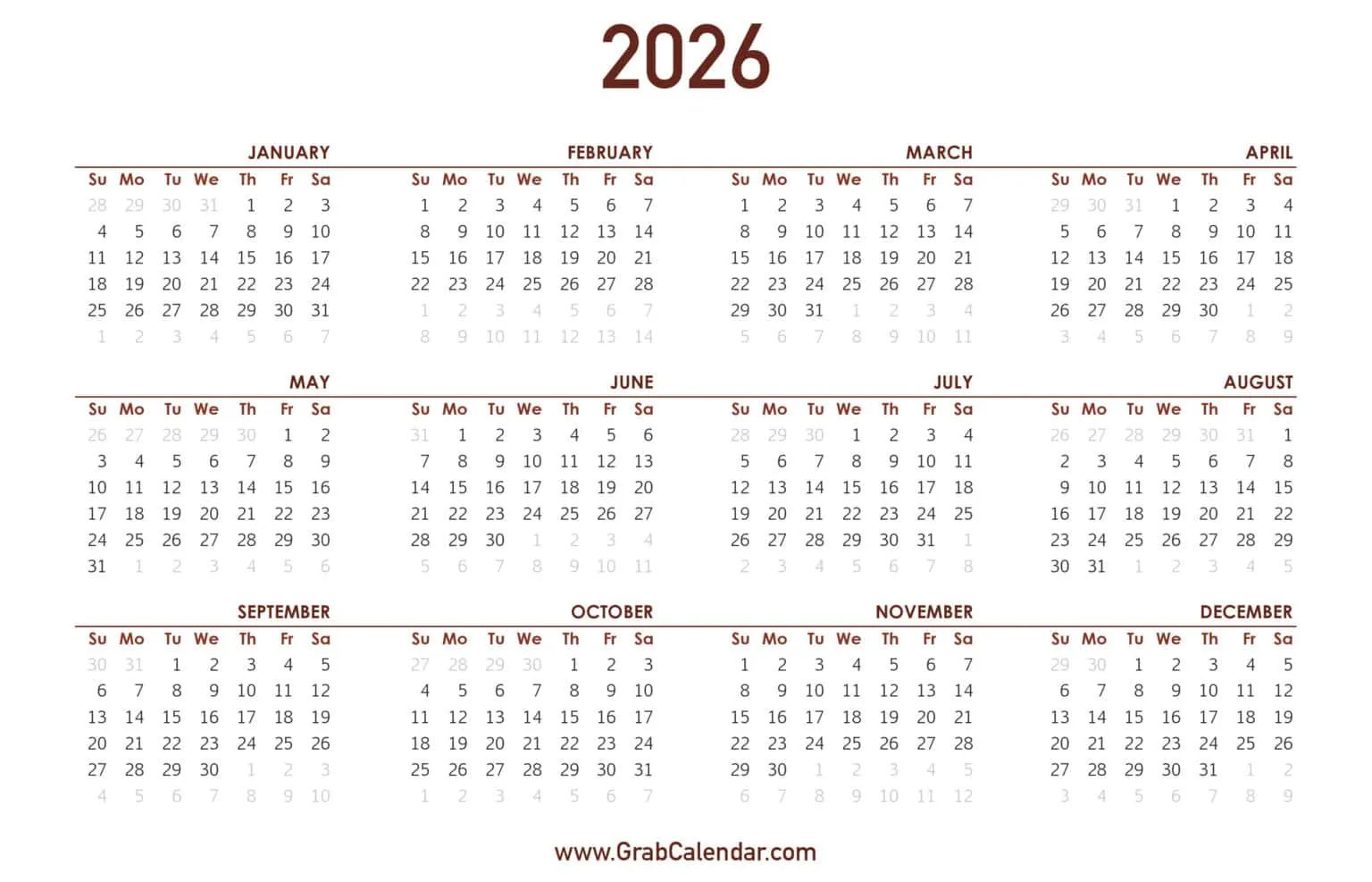
This rhythm works whether you are coordinating school activities, a family schedule, recurring appointments, or a project with several people involved.
Record the event, its time, and where it happens. Include the person who needs to know, not only the person who entered it.
Work backward from the event: supplies, forms, travel, reminders, and decisions each need a realistic owner and due date.
When responsibility changes hands, state who is doing what next and when you will check that it is complete.
Keep each item short enough to scan. A helpful entry answers four questions: what is it, when is it, who is responsible, and what is the next action? Put longer instructions in a note or message and leave the calendar itself uncluttered.
Appointments, school dates, travel, and submission deadlines are anchors. Preparation tasks and personal goals can move. Mark anchors first, then place flexible work around them with enough room for delays and recovery time.
Choose a predictable moment to review the next seven days. Confirm rides, supplies, meal or room arrangements, and any change in ownership. A short conversation prevents the calendar from becoming a list that nobody checks.
Pair your handoff with a dated calendar or an open grid that your group can fill in together.